

Why Is My Generator Surging When Under Load?
The short answer: generator surging under load is most often caused by degraded fuel. Microbial contamination, water intrusion, and fuel breakdown all disrupt the steady combustion your generator needs to hold a consistent output under changing electrical demand.

How Bad Diesel Fuel Causes Surging Issues in Generators
Poor fuel quality does not create a single failure point. It creates a chain reaction. Each stage of the combustion cycle depends on the one before it, so when fuel quality breaks down early, the damage compounds by the time combustion actually happens.
Clogged Fuel Filters
Degraded diesel carries what clean fuel does not: microbial biomass, oxidation byproducts, particulates, and water-driven sediment. Filters catch that contamination, which is what they are designed to do. But a filter doing its job on bad fuel loads up faster than its service interval assumes.
A partially clogged filter restricts flow. Under normal idle, the restriction may not matter. Under load, when the engine demands more fuel per cycle, that restriction becomes a choke point. Fuel delivery drops. The engine cannot get what it needs to sustain output.
Injector Fouling and Deposits
Degraded fuel leaves residue. Oxidation byproducts, microbial waste, and combustion byproducts from low-quality burn cycles build up on injector tips over time. That buildup changes the spray pattern. Instead of a fine, even mist optimized for combustion, a fouled injector delivers an uneven spray that burns inconsistently.
Fouled injectors make inconsistent fuel burn worse. They also accelerate the deposit buildup that causes further fouling. Left unaddressed, what starts as a fuel quality problem becomes a mechanical one.
Inconsistent Fuel Burn Rate
Clean diesel burns predictably. Each injection event delivers a consistent amount of energy, and the engine responds consistently. Degraded fuel does not burn that way.
Water contamination, oxidation byproducts, and reduced cetane all affect how the fuel ignites and how completely it burns. Some cycles deliver more energy. Some deliver less. That variation is not random noise the engine can absorb. It shows up as instability in speed and output.
RPM and Voltage Fluctuations
The governor exists to smooth out variation. When load changes, the governor adjusts fuel delivery to hold a stable speed. It is good at handling normal load swings.
It is not designed to compensate for fuel that burns differently from one injection to the next. When combustion energy varies cycle to cycle, the governor chases a target that keeps moving. The result is the RPM hunting and surging you see at the panel. The governor is working. The fuel is the problem it cannot fix.
The Smarter Approach to Generator Fuel Reliability
Diagnosing a surging generator is reactive. By the time the symptoms appear, the fuel has already been degrading for weeks or months. The generator has already been running under stress. The risk to your facility was already present.
FleetCore360 is how operators get ahead of that.
Fuel Asset Management Built for Standby Reliability
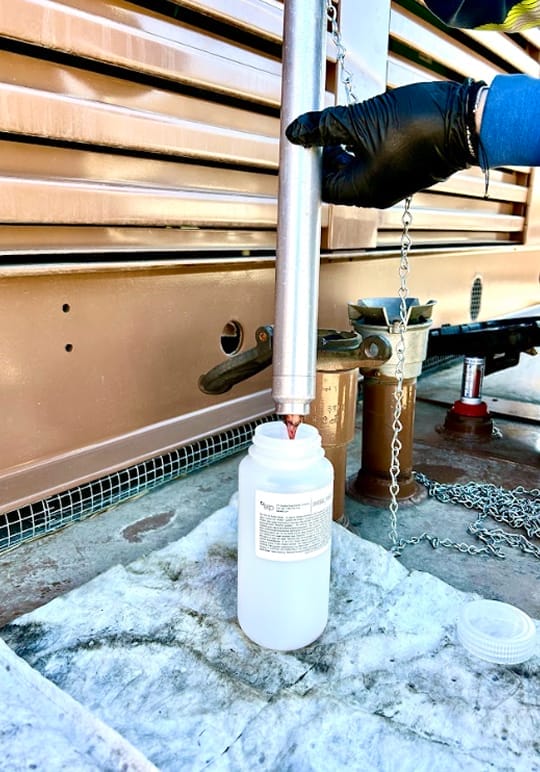
FleetCore360 is Fleet Core’s structured fuel asset management system. It combines regular fuel testing, proactive polishing, tank maintenance, and fuel quality monitoring into a single managed program. Instead of responding to a surging generator during an outage, you know the condition of your fuel before the grid goes down.
For standby generators, that means:
- Fuel tested on a defined schedule so degradation is caught early
- Polishing and treatment scheduled before quality drops below threshold
- Tank inspections that catch water accumulation and sediment before they reach filters and injectors
- Documentation that supports compliance requirements and load test readiness