

Diesel Equipment Symptoms That Are Caused by Poor Fuel Quality
How to Recognize When Equipment Problems Are Fuel-Related
Fuel quality issues show up as performance problems first. Equipment that ran fine starts running rough. Standby generators struggle under load. Engines lose power, smoke, or stall. Aftertreatment systems throw repeat faults.
If your equipment is doing any of those things, you need to check your fuel quality before you start replacing parts.

The Pattern Most Operators Miss
Fuel problems rarely look like fuel problems at first. They look like mechanical failures.
A piece of equipment runs fine on Monday. By Friday it’s hesitating, smoking, or shutting down. The operator pulls injectors. Tests sensors. Replaces filters. Some of that work helps for a few days. Then the symptoms come back.
That return is the tell. When the same problem keeps coming back after mechanical fixes, the fuel is usually the source. Bad fuel reintroduces the issue every time the equipment runs.
The other tell is multiple machines acting up at once. If three pieces of equipment fed from the same fuel storage tank all start running rough in the same week, the common factor is the fuel.
Operators who learn to spot these patterns save themselves weeks of misdiagnosis and thousands in unnecessary parts.
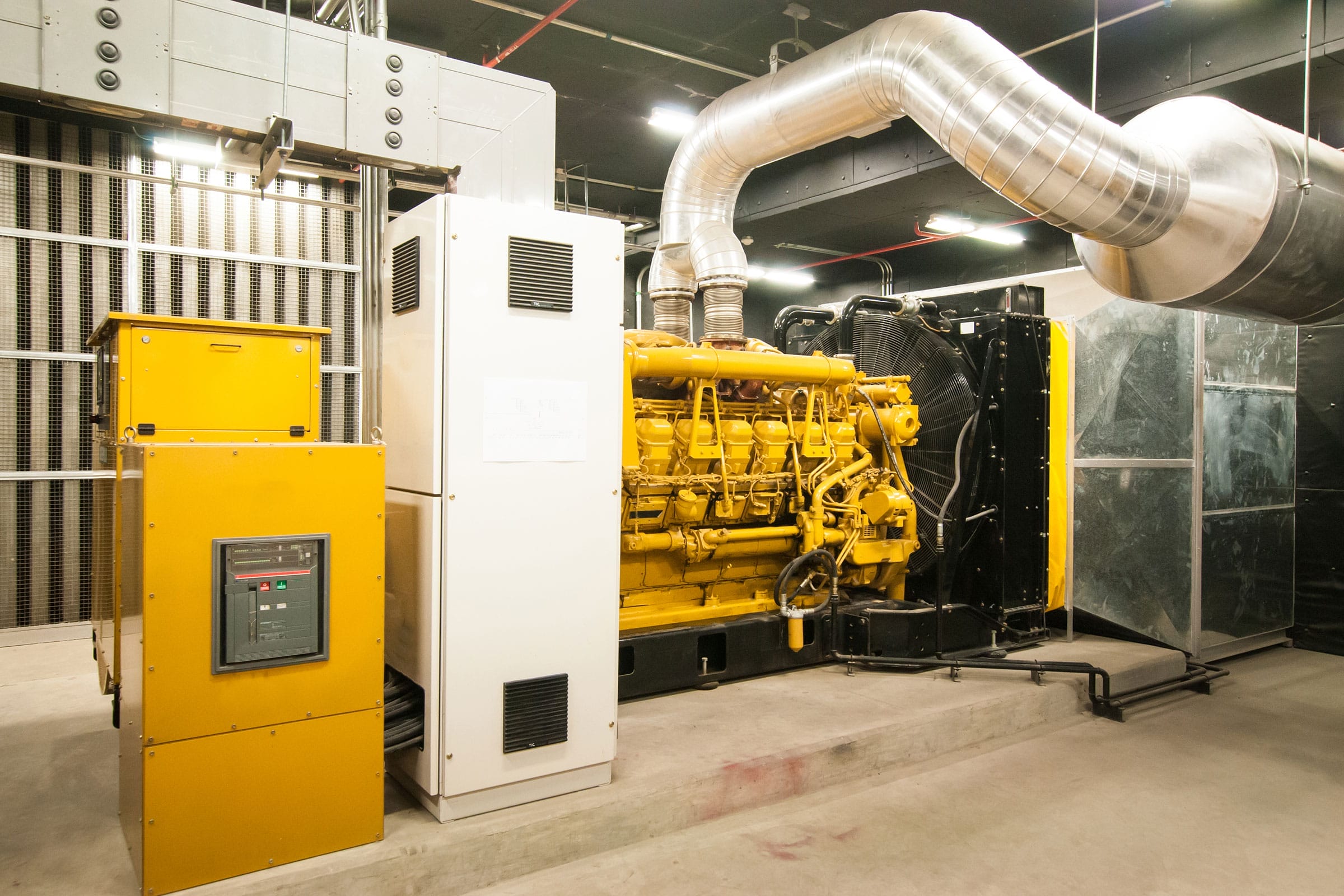
Symptoms in Standby Generators
Standby generators are especially vulnerable because their fuel often sits for months between runs. Common fuel-related symptoms include:
- Surging or hunting under load
- Hard starting in cold weather
- Loss of power during transfer
- Black smoke during runtime
- Failure to reach rated output during testing
- Shorter runtime than expected
Annual exercise runs sometimes mask these problems because the load test isn’t long enough to expose them. The first time the generator carries real load during an outage is the worst time to discover the fuel has degraded.

Symptoms in Construction Equipment
Excavators, skid steers, loaders, dozers, and other diesel-powered construction equipment often run on fuel from site tanks that get filled, emptied, refilled, and rarely cleaned. Common fuel-related symptoms include:
- Power loss under load
- Black smoke from the exhaust
- Hesitation or surging during operation
- Stalling at idle or under load
- Hard starting after sitting overnight
Fuel filter clogging more often than usual
These symptoms are easy to blame on the equipment itself, especially on machines with high hours. But equipment that develops these issues over a short window often points back to the fuel.
Symptoms in Agricultural Equipment
Tractors, irrigation pumps, harvest equipment, and grain dryers face seasonal use patterns that put fuel quality at risk. Common symptoms include:
- Pumps losing prime or running dry
- Engines starving for fuel under sustained load
- Hard starting after long off-season storage
- Rough running early in the season
- Fuel filters clogging early in heavy use periods
- White or black smoke that wasn’t there last season
Fuel that sits through a Colorado winter or sits unused through summer in an outdoor tank often degrades faster than operators expect.


Symptoms in Fleet Trucks and Aftertreatment Systems
Modern Class 6-8 trucks have aftertreatment systems that are sensitive to fuel quality in ways older trucks were not. Common fuel-related symptoms include:
- Repeat DEF system fault codes
- DPF regeneration problems
- Active regen happening too often
- Loss of power and reduced fuel economy
- Persistent check engine lights after sensor replacement
- Multiple trucks from the same fleet showing the same fault patterns
When fault codes come back after the dealer cleared them and replaced parts, the fuel source is often the unchecked variable.
When to Suspect Fuel Versus Mechanical Causes
A few patterns point strongly toward fuel.
The equipment was running fine and then changed. Sudden onset across short windows usually points to fuel, especially after a recent fill or after a long sit.
Multiple pieces of equipment show the same symptoms at the same time. When equipment fed from a common tank all develop issues together, the common factor is the fuel.
Mechanical fixes don’t hold. When the same problem returns within days or weeks of a repair, the fuel is reintroducing it.
The equipment has been sitting. Generators, seasonal agricultural equipment, and reserve trucks are all high-risk for fuel-related startup issues.
Filters are clogging fast. Fuel filters that need replacement well before their normal interval are telling you something is in the fuel.
When two or more of these patterns line up, fuel testing is the fastest path to an answer.
What to Do Before Calling for Service
A few steps will save time and money before you bring anyone out.
Pull a fuel sample. Even a visual check tells you something. Cloudy fuel, dark fuel, water at the bottom, or visible particulates all indicate problems worth testing.
Note the timeline. When did the symptoms start? What changed in the days before? Was there a recent fill? A weather change? A long sit?
Check your records. When was the fuel last tested? When was the tank last cleaned? How old is the fuel currently in the tank?
Walk the tank. Look for water in the sump if your tank has one. Check the vent for damage. Look for signs of contamination around the fill point. That information turns a service call into a focused diagnosis instead of a starting point.
Diesel Equipment Symptoms: Frequently Asked Questions
Can bad diesle fuel cause a generator to surge or lose power under load?
Yes. Surging, hunting, and power loss under load are common fuel-quality symptoms in standby generators. Degraded fuel loses energy density, which means the engine can’t maintain steady output when demand spikes. Microbial contamination and particulate buildup in the fuel also restrict flow through injectors, compounding the problem. If a generator passes its exercise run but struggles during an actual outage, the fuel is usually where you start looking.
Why does my generator run fine for a while and then start acting up
Bad diesel fuel doesn’t just prevent generators and equipment from starting. It can also prevent proper operation as time under load increases. Early in a run cycle and at low idle, the engine draws fuel at lower rates and can compensate for partial restrictions. As the time under load continues or load increases, a partially clogged filter or contaminated injector can’t keep up. This can create surging, missfires, and bad running characteristics overall.
What does it mean when multiple pieces of equipment from the same tank all start having problems at once?
When many pieces of equipment are experiencing the same issues all at once, it almost always points to bad fuel. When three excavators, two trucks, or a generator and a loader all develop similar symptoms in the same week, the common variable is the fuel supply. Individual equipment failures happen for individual reasons. Simultaneous failures across a fleet fed from a single tank are a fuel-quality signal.
Why do diesel fuel filters need to be replaced more often than they used to?
Filters that clog faster than normal are catching contamination that shouldn’t be in the fuel. The most common culprits are microbial growth (which produces biomass that clogs filters rapidly), fuel degradation byproducts like asphaltenes and varnish, and water-related sediment. Replacing filters more often treats the symptom. Testing and treating the fuel treats the cause.
Can diesel fuel quality cause DPF regeneration problems or repeat fault codes on modern trucks?
Yes. Modern Class 6-8 aftertreatment systems are sensitive to fuel quality in ways older engines were not. Contaminated or off-spec fuel affects combustion efficiency, which increases particulate loading on the DPF and disrupts normal regen cycles. If fault codes return after your dealer cleared them and replaced parts, the fuel source is often the variable that wasn’t checked.
Why does diesel equipment hard-start after sitting overnight or through a season?
Two reasons. First, water contamination. Condensation accumulates in fuel tanks over time, and water-laden fuel is harder to ignite and harder on injectors. Second, fuel that has been sitting degrades in lubricity and combustibility. Equipment that sat through a Colorado winter or an off-season on an outdoor tank is drawing from fuel that may be significantly worse than what went into the tank months earlier.
What causes black smoke from a diesel engine that didn't smoke before?
Black smoke is a sign of incomplete combustion. From a fuel standpoint, that usually means restricted fuel flow through dirty or partially clogged injectors, low fuel quality or energy content, or water in the fuel disrupting the combustion process. If the engine hasn’t changed mechanically but the exhaust has darkened, the fuel condition should be tested before assuming an equipment problem.
Can contaminated diesel fuel damage injectors?
Yes, and it’s one of the most expensive consequences of running degraded fuel. Modern common-rail injectors have very tight tolerances and rely on the fuel itself for lubrication. Water in the fuel accelerates wear and corrosion. Particulates cause abrasion. Microbial contamination introduces acidic byproducts that degrade injector components over time. Equipment that runs on contaminated fuel long enough will eventually need injector work regardless of how well everything else is maintained.
How do I tell if my diesel fuel has water in it?
The fastest field check is a visual sample. Draw fuel from the bottom of the tank into a clear container. Cloudy or hazy fuel usually indicates emulsified water. A distinct water layer at the bottom of the sample is a clear sign of free water. You may also see discoloration, dark sediment, or a slick or jelly-like material if microbial growth is present. A lab test will give you exact water content if a visual check is inconclusive.
Will adding good diesel fuel to bad eventually solve my fuel quality issue?
No. Fresh fuel dilutes the problem but doesn’t eliminate it. If your tank has water, microbial growth, or sediment at the bottom, new fuel goes into the same contaminated environment. The contamination doesn’t disappear. It just mixes into the fresh supply and continues to degrade it. Topping off a dirty tank is one of the most common ways operators unknowingly extend a fuel quality problem for months. The fix is tank cleaning, fuel polishing, or both.
Won't my fuel filters eventually fix my bad fuel problem?
No. Filters catch contamination; they don’t eliminate it. The source of that contamination, whether it’s water, microbial growth, or sediment, is still sitting in your tank. As long as it’s there, it keeps degrading the fuel and loading up your filters. Rapid filter clogging is a symptom of a fuel problem, not a solution to one. Running through filters faster than normal is your equipment telling you something is wrong upstream.