

Why Is My Generator Running Out of Fuel Too Fast?
The short answer: a generator with shorter runtime than expected often has degraded fuel with reduced energy density. The generator burns more diesel fuel to deliver the same output, which depletes your supply faster than the rated specifications would suggest.

Runtime Calculations Assume Good Fuel Quality
Generator runtime is calculated based on rated fuel consumption at a given load percentage. A 500 kW generator at 50% load might consume 25 gallons per hour. With a 500-gallon tank, that calculates to roughly 20 hours of runtime.
Those calculations assume specification-grade fuel. When fuel quality degrades, the math no longer holds.
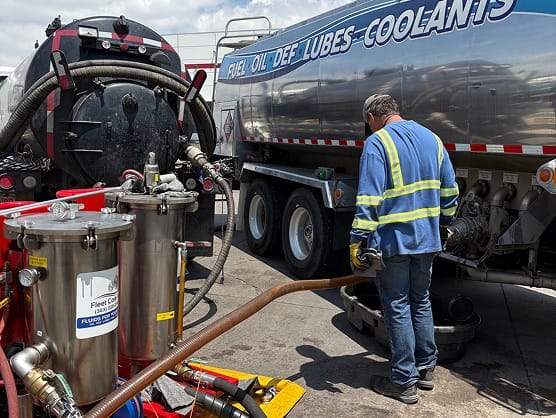
Degraded Fuel Increases Fuel Consumption
Diesel combustion converts fuel energy into mechanical work. When fuel energy density drops through degradation, the engine needs more fuel per cycle to produce the same output. The generator’s governor compensates by delivering more fuel. More fuel being burned means faster fuel consumption and a shorter runtime.
Fuel quality conditions that increase consumption:
- Oxidized fuel with reduced BTU content per gallon
- Water contamination reducing effective energy per injection
- Poor cetane causing inefficient combustion requiring more fuel to sustain load
- Microbial contamination partially blocking injectors, causing overfueling compensation
The Risk of Shorter Generator Runtime Than Expected
Shorter-than-expected runtime becomes a critical problem during extended outages. A facility that planned for 72 hours of backup power based on tank capacity may run dry at 48 hours if fuel quality has degraded 30 percent.
This is not a theoretical scenario. It has happened at healthcare facilities, data centers, and manufacturing plants during extended grid outages. The generator was full at the start. The fuel was old. The result was complete power failure at the worst possible moment.
What makes this harder to catch is that most facilities never test to that threshold. NFPA 110, the standard governing emergency and standby power systems, requires load testing to verify generator performance. But load testing verifies mechanical output. It does not verify how long that output will last on the fuel currently in the tank. A generator can pass a load test and still fall short of its rated runtime if fuel quality has degraded since the last fill.
Runtime calculations are only as accurate as the fuel behind them. Facilities that base evacuation plans, operational continuity decisions, and patient care protocols on a 72-hour runtime figure need to know that figure holds. The only way to know is to test the fuel.
Other Causes to Rule Out
Fuel quality is the most commonly missed cause. But shorter runtime can also come from:
- Higher actual load than the runtime calculation assumed
- A fuel gauge that reads incorrectly or a tank with measurement error
- A fuel leak from a fitting, line, or secondary containment overflow
Of these, fuel gauge error and leaks are worth checking. But if the gauge is accurate and there is no visible leak, fuel quality is the next variable to test.
Fleet Core Helps Facilities with Ensure They Are Ready for the Next Power Outage
Fleet Core tests fuel for the conditions that reduce energy density and increase consumption. When fuel is the cause, we treat or replace it and address the storage conditions that allowed it to degrade. Facilities managing large tank inventories can schedule regular testing to catch quality drift before it affects operations.