

Why Does My Generator Fail to Reach Rated Output During Testing?
The short answer: a generator that fails to reach rated output during a load bank test is often running on degraded fuel. When fuel combustion energy is below spec, the engine cannot produce the horsepower required to deliver full electrical output. The test reveals what normal exercise runs hide.

Symptoms of a Failed Output Rating Due to Bad Diesel Fuel.
During a load bank test, the generator is stepped up to a percentage of its rated capacity. A generator rated at 500 kW should sustain 500 kW. When it cannot, you see one or more of these:
- Engine speed drops under full test load
- Voltage sags below acceptable range
- The generator faults or derates under sustained load
- Test results come in below rated capacity with no mechanical explanation
How Fuel Quality Affects Rated Output
Engine output is a direct function of combustion quality. Combustion quality depends on fuel quality. Degraded diesel with reduced BTU content, poor cetane rating, or contamination delivers less energy per injection event than specification-grade fuel. Under light load, the margin covers the gap. Under a full load bank test, it does not.
Fuel conditions that reduce output:
- Oxidized fuel with reduced energy density
- Low cetane causing delayed or incomplete ignition under sustained load
- Microbial contamination partially restricting fuel delivery
- Water contamination diluting combustion energy per injection
Why Bad Diesel Fuel Often Goes Undetected Until a Test
Monthly exercise runs at no load or light load do not stress the fuel delivery system. A 30-minute run with no attached load tells you the generator starts and runs. It does not tell you the generator can carry your facility.
Load bank testing is the only way to verify readiness. And fuel quality is the variable that most frequently fails that test without warning.
What to Do When a Load Test Fails
Before scheduling a service call for mechanical diagnosis, check the fuel:
- Test the fuel for BTU content, cetane, water, and microbial contamination
- Inspect the primary fuel filter condition and differential pressure
- Review when the fuel was last changed or treated
- Check how long the current fuel has been in the tank
- If fuel quality is the cause, addressing it is faster and less expensive than a mechanical diagnosis that returns no findings.
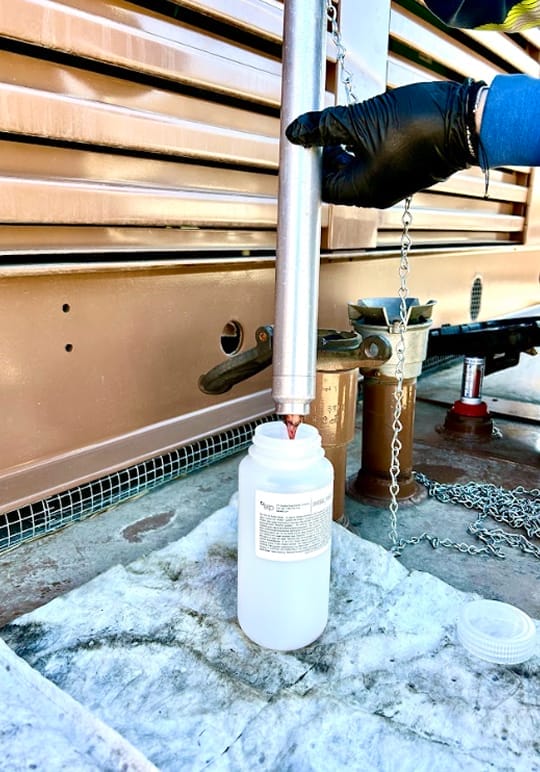
Why Standby Generator Fuel Is at Higher Risk
Generators that run only during outages and monthly exercise cycles carry fuel that sits for extended periods. Diesel begins to oxidize and degrade. Microbial contamination develops at the fuel-water interface. The fuel that looks fine at delivery looks different after six months in a tank.
Colorado’s temperature extremes accelerate this. Outdoor tanks cycle through heat stress in summer and cold stress in winter. Both conditions affect fuel stability.
What to Check First
- When was the fuel last tested or treated?
- Has there been a recent fuel delivery before the smoking started?
- When was the fuel filter last replaced?
- Is the smoke coming at startup only, or throughout runtime?
Fleet Core Helps Businesses with Their Generator Readiness
Fleet Core tests fuel before load bank tests to identify readiness gaps. When fuel is degraded, we treat or replace it. When contamination is present, we polish and clean. Facilities that enroll in our integrated fuel management system ( FleetCore 360 ) can help ensure they avoid the failed test outcome entirely.