

What Particulate Count and ISO Cleanliness Codes Mean
A diesel fuel particulate count test measures how many solid particles are contaminating your fuel, and the result gets translated into an ISO cleanliness code that tells you whether your equipment is at risk. Those three numbers on a test report can look like a secret code if nobody’s explained them to you. Let’s break down what the numbers mean, what issues dirty fuel causes, and how Fleet Core tests and treats it before it reaches your injectors.
Understanding ISO Cleanliness Codes
An ISO 4406 cleanliness code is written as three numbers, such as 18/16/13. Each number is a range code representing how many particles of a given size exist in one milliliter of fuel, counted at three thresholds: particles larger than 4 microns, larger than 6 microns, and larger than 14 microns. A lower number means fewer particles and cleaner fuel. Moving up one range number roughly doubles the particle count, so the difference between a 16 and an 18 is far bigger than it looks.
The table below shows how the range numbers translate to actual particle counts, based on ISO 4406, the international standard for coding solid particle contamination in hydraulic and fuel fluids.
ISO 4406 Particle Count Scale
Each range number represents roughly double the particle count of the one below it, per mL of fuel.
| Range Number | Particles per mL (More Than) | Particles per mL (Up To) |
|---|---|---|
| 11 | 10 | 20 |
| 12 | 20 | 40 |
| 13 | 40 | 80 |
| 14 | 80 | 160 |
| 15 | 160 | 320 |
| 16 | 320 | 640 |
| 17 | 640 | 1,300 |
| 18 | 1,300 | 2,500 |
Source: ISO 4406, the international standard for coding solid particle contamination in hydraulic and fuel fluids.
Recommended ISO 4406 Targets by Engine Type
The right cleanliness target depends on how tight your fuel system's tolerances are.
| Engine or Fuel System Type | Recommended Target | Why This Target |
|---|---|---|
| Standard diesel engines, older mechanical fuel systems | 18/16/13 or cleaner | Wider injector tolerances handle more particulate before wear accelerates |
| High-pressure common rail, Tier 4 engines | 14/13/11 or cleaner | Injector tolerances are measured in microns and fail faster above this level |
Checking your specific engine manufacturer's recommended fuel cleanliness target is the most reliable way to confirm the right number for your equipment, since these targets are general guidance rather than a universal rule.
How to Check Your Own Fuel for Particulate Contamination
You won’t get a precise particle count without lab equipment, but a few field checks can tell you whether it’s worth testing sooner. Start with your fuel filters. A filter coming out early, or one caked in grit rather than just a normal film, points to particulate contamination somewhere upstream.
Draining a sample from your tank bottom or water separator is worth doing at the same time you check for water. Fuel that looks hazy or has visible grit settling out, rather than running clear gold, is carrying more solids than it should. Older tanks with visible rust on interior walls, or tanks that haven’t been cleaned in years, are the most likely source.
None of these checks give you a number to compare against a target, and none of them can catch particulate contamination before it’s heavy enough to see. That’s the gap a professional test closes.

The longer your equipment sits, the higher the risk for water and microbial contamination in diesel fuel. Eyeballing your diesel fuel will not tell you exaclty how contaminated the fuel is.
What Happens After a High Particulate Count Is Confirmed
Once a test comes back above target, the fix depends on where the particulate is coming from. Fleet Core’s fuel polishing service filters fuel down through progressively finer elements until it hits the ISO code your equipment needs, without requiring a full tank replacement.
If the contamination is coming from the tank itself, rust and scale flaking off aging interior walls, filtration alone won’t hold for long. Those tanks get scheduled for a full tank cleaning to remove the source before it keeps recontaminating every load that goes back in. Fleets on FleetCore360 get particulate checks built into their maintenance calendar afterward, so a cleaned tank stays clean instead of drifting back toward a bad code unnoticed.
Why Businesses Trust Fleet Core to Test Particulate Count and ISO Cleanliness
Fleet managers bring particulate testing to Fleet Core because a filter change tells you there’s a problem, not how bad it is or whether your engine can tolerate it. Fleet Core measures particulate count with a laser particle counter, run either on-site or in the lab, and delivers a precise ISO cleanliness code within 24 to 48 hours.
That turnaround matters because the right target depends on the equipment. A code that’s perfectly fine for an older mechanical engine can already be causing injector wear in a newer common rail system, and Fleet Core checks the result against the tolerance the equipment actually needs rather than a single blanket number. Fleets enrolled in FleetCore360 get particulate checks built into a standing maintenance schedule, so drift toward a bad code gets caught before it reaches injectors instead of after a warranty claim.

How Fleet Core Keeps the Fuel It Delivers Clean
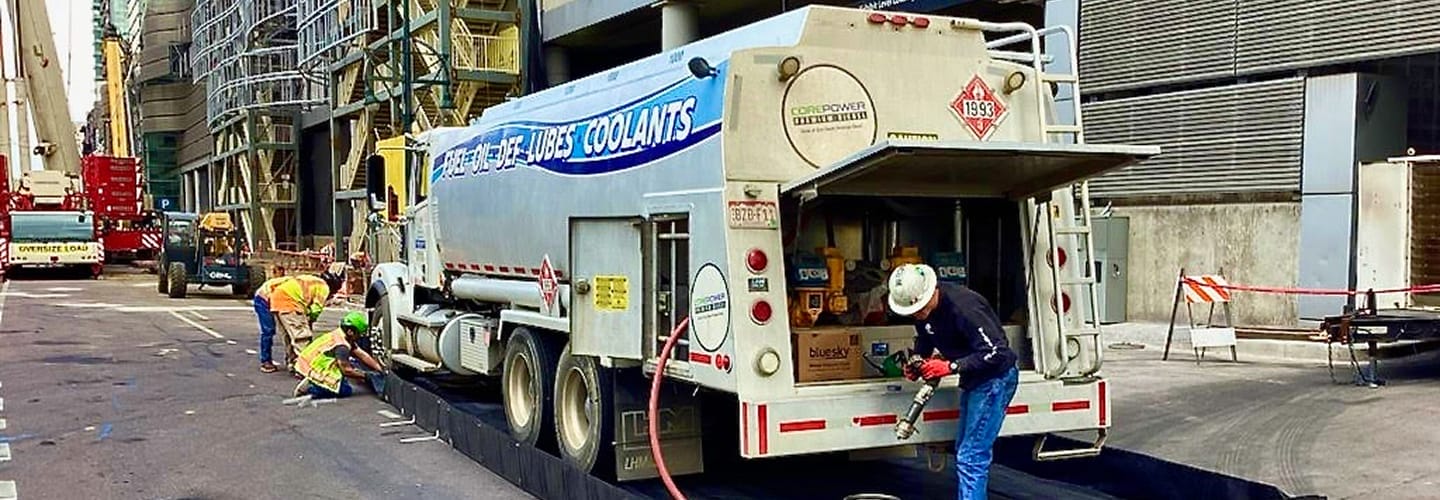
A fleet manager testing their own tank shouldn’t have to worry about whether the next delivery is bringing particulate contamination along with it. Fleet Core sources bulk fuel from terminals it has vetted, and delivery trucks and compartments are inspected on a regular schedule to catch any residual rust, scale, or sediment before it can mix into a fresh load.
Before fuel goes out for delivery, Fleet Core checks it against the same cleanliness expectations used to evaluate a customer’s own stored fuel. A load that doesn’t clear that bar doesn’t go out. This matters most for fleets running newer common rail equipment that can’t absorb the kind of particulate an older truck might tolerate without issue.
If you’re not sure whether your stored fuel or an incoming delivery is carrying more particulate than your equipment can handle, that’s exactly what this test is for. Fleet Core’s diesel fuel testing services check particulate count and ISO cleanliness along with the other core diagnostics fleets rely on, with lab-confirmed results within 24 to 48 hours.
Frequently Asked Questions - Diesel Fuel Particulate Count
What equipment problems does a high particulate count in diesel fuel cause?
High particulate counts clog fuel filters faster than normal and wear down injectors and fuel pumps over time, since solid particles abrade precision components as they pass through. Common rail engines are especially sensitive and can develop fault codes or injector damage at particulate levels older mechanical engines would tolerate.
What does an ISO 4406 code like 18/16/13 mean?
The three numbers represent particle counts at three size thresholds, larger than 4 microns, 6 microns, and 14 microns, measured per milliliter of fuel. Lower numbers mean cleaner fuel, and each step up roughly doubles the particle count at that size.
What ISO cleanliness code should my diesel engine's fuel meet?
Standard diesel engines with older mechanical fuel systems generally tolerate an ISO 4406 code of 18/16/13 or cleaner. High-pressure common rail engines, common in Tier 4 equipment, typically need a tighter target of 14/13/11 or cleaner to avoid premature injector wear.
Can dirty fuel void my engine's injector warranty?
Yes, in some cases. Manufacturers can point to fuel that tested above their recommended cleanliness target as a contributing cause of injector failure, which can complicate a warranty claim. Testing particulate count regularly gives you documentation showing your fuel met spec.
How is a particulate count test different from checking a fuel filter?
A fuel filter only shows you that something clogged it, not how much particulate is in the fuel or whether it’s within a safe range for your engine. A particulate count test uses a laser particle counter to give you a precise ISO 4406 code you can compare directly against your equipment’s target.
How often should I test diesel fuel for particulate contamination?
Fleets running high-pressure common rail or Tier 4 equipment should test at least quarterly, since those systems have the least tolerance for drift. Older mechanical fleets can generally test less often, but should still check after any tank cleaning, repair, or bulk delivery from a new supplier.