

How to Test for Water in Diesel Fuel
Water is the single most common contaminant Fleet Core finds in Colorado fuel tanks, and most fleet managers never see it coming. Some water shows up in ways a driver or operator can spot in the field. The rest only shows up on a lab report. This page covers both: the checks you can do yourself at the tank or the filter, and the professional analysis Fleet Core runs to catch what a visual check misses.
For a deeper look at how water ends up in a tank in the first place and a full breakdown of removal methods, see Fleet Core’s guide on water in diesel fuel: causes and fixes.
Checks You Can Do Yourself
Diesel fuel systems on most trucks, ag equipment, and generators include a fuel-water separator, sometimes called a Racor filter or knock-out filter, ahead of the main fuel filter. Water is heavier than diesel, so it settles into the bottom of the separator’s bowl instead of passing through to the engine. Checking that bowl is the single easiest water check available to any operator.
Most separators have a clear sight bowl or a drain valve at the bottom. Drain a small amount into a clear container on a regular schedule, weekly for equipment in daily use, and look at what comes out. Clean diesel runs clear gold or amber. A distinct layer of cloudy or clear liquid sitting below the fuel means free water has collected and needs to be drained off before it reaches the engine. Many trucks, pickups, and marine or ag equipment also have a water-in-fuel sensor built into the separator that trips a dash warning light well before the problem is visible.
Fuel filters tell a similar story. When a filter comes out at a scheduled change, take a look before tossing it. Rust-colored streaks, a milky residue, or a filter element that’s noticeably heavier or slimier than usual are signs water has been passing through the system. A filter that clogs and needs replacing well ahead of its normal service interval is one of the most common field signs of a water problem, especially right after a bulk delivery or coming out of seasonal storage.

These field checks catch free water, the kind that settles out and collects somewhere. They will not catch water that stays suspended or dissolved in the fuel itself, which is where professional testing comes in.
How Fleet Core Tests for Water in Diesel Fuel
A full water content test needs to answer two separate questions:
- Is there free water sitting at the bottom of the tank?
- How much water is dissolved or suspended in the fuel itself?
Fleet Core uses different methods for each, and running both is what separates a lab result from a field check.
For free water, a Fleet Core technician draws a sample from the tank bottom using a bacon bomb sampler, or checks with water-finding paste applied to a gauging stick. The paste changes color on contact with free water, giving an immediate, same-day answer, similar to draining a separator bowl but taken directly from the tank rather than a single equipment filter.
For total water content, including water dissolved in the fuel that no visual check can catch, Fleet Core sends a sample to the lab for Karl Fischer titration, run to ASTM D6304. This method measures water down to the parts-per-million level and gives a precise number to compare against spec, typically returned within 24 to 48 hours.
That number matters because there’s a hard limit to work against. ASTM D975, the industry specification for diesel fuel, caps combined water and sediment at 0.05 percent by volume, which works out to 500 ppm, for both on-road and off-road diesel. [External link: ASTM D975 diesel fuel specification] Fuel that tests above that threshold is out of spec and carries a real risk of the corrosion, filter clogging, and cold-weather problems described below.

Not all water in a sample is equal. Free water and emulsified water are the forms worth acting on. A small amount of dissolved water is normal and already accounted for in the spec itself. A lab result separates these out rather than reporting one blended number, which is part of why lab testing catches problems a drained separator bowl or a filter check will miss, particularly water that never settles out because it’s chemically dissolved in the fuel.
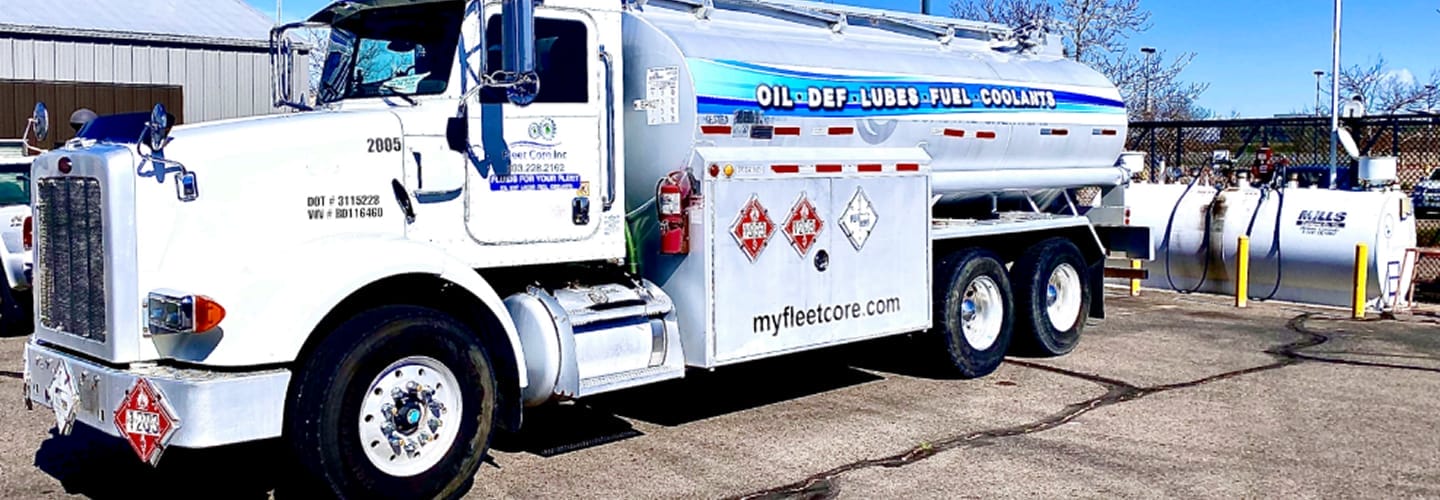
How Fleet Core Keeps the Fuel It Delivers Clean
Testing isn’t only about diagnosing a customer’s tank. Fleet Core also tests fuel before it ever leaves for a delivery, so a customer isn’t inheriting a water problem they didn’t cause.
We source our fuel from terminals Fleet Core has vetted, and delivery trucks and compartments are inspected on a regular schedule to catch any residual water or sediment before it can mix into a fresh load. Before fuel goes out for delivery, it’s checked against the same 500 ppm water and sediment threshold used to evaluate a customer’s stored fuel, using the same field and lab methods described above. If a load doesn’t clear that bar, it doesn’t go out.
This matters most for fleets that don’t have the staff or equipment to check every delivery themselves. A fleet manager receiving fuel from Fleet Core is getting fuel that already passed the same test being recommended for their own tank, not just a promise that it should be fine. Fleets enrolled in Fleet Core’s FleetCore360 program get water content checks built into a standing maintenance schedule on top of that delivery-side testing, so contamination from any source, delivery or otherwise, gets caught between seasons instead of during a cold snap or a busy delivery week.
What Happens After a Water Content Test Confirms a Problem
Once a test confirms water above spec, the fix depends on how the water got there and how long it’s been sitting. Fleet Core’s fuel polishing service removes free and emulsified water through filtration and separation, usually the fastest option and one that doesn’t require taking a tank offline for long. Tanks carrying sludge, rust, or early microbial growth at the bottom need a full tank cleaning first, so the fuel doesn’t get recontaminated the moment it’s refilled. Fleet Core’s guide to removing water from diesel fuel walks through all four remediation paths, polishing, tank cleaning, additives, and full replacement, in more depth.
If you’re not sure whether your stored fuel or an incoming delivery is carrying more water than it should, that’s exactly what a water content test is for. Fleet Core’s diesel fuel testing services cover water content along with the other core diagnostic tests fleets rely on, with same-day field results and lab-confirmed numbers within 24 to 48 hours.
Frequently Asked Questions - Testing for Water in Diesel Fuel
How can I check my diesel fuel for water myself?
Drain a small sample from your fuel-water separator’s bowl or drain valve and look for a cloudy layer or clear liquid sitting below the diesel. Also check fuel filters at each change for rust streaks or a milky residue, both signs water has been passing through the system. These checks catch free water, but only a lab test can measure water dissolved in the fuel itself.
How much water in diesel fuel is considered a problem?
ASTM D975 caps combined water and sediment at 0.05 percent by volume, or 500 ppm, for both on-road and off-road diesel fuel. Fuel testing above that limit carries a real risk of injector corrosion, filter clogging, and microbial growth, and should be treated before it’s put into service.
What's the difference between checking a fuel-water separator and getting a lab water content test?
A fuel-water separator only catches free water that has already settled out inside that one piece of equipment. A lab water content test, using Karl Fischer titration, measures both free water and water dissolved throughout the entire fuel sample, giving a precise ppm number a visual check can’t provide.
Does water in diesel fuel freeze in cold weather?
Yes. Suspended water can freeze into ice crystals at temperatures well above the point where diesel fuel itself starts to gel. Those ice crystals block fuel filters and lines, which is a common cause of cold-weather no-starts that have nothing to do with the fuel’s cold flow rating.
How often should a fleet test stored diesel fuel for water content?
Fleets storing fuel for more than a few weeks, especially through seasonal temperature swings, should test at least quarterly, with additional checks after any bulk delivery. Equipment left idle over a full season, like ag or backup generator equipment, should be tested before it’s put back into service.
How does Fleet Core make sure the fuel it delivers doesn't already have water in it?
Fleet Core sources bulk fuel from vetted terminals, inspects delivery trucks and compartments on a regular schedule, and tests every load against the same 500 ppm water and sediment threshold used to evaluate a customer’s own stored fuel. A load that doesn’t clear that threshold does not go out for delivery.