


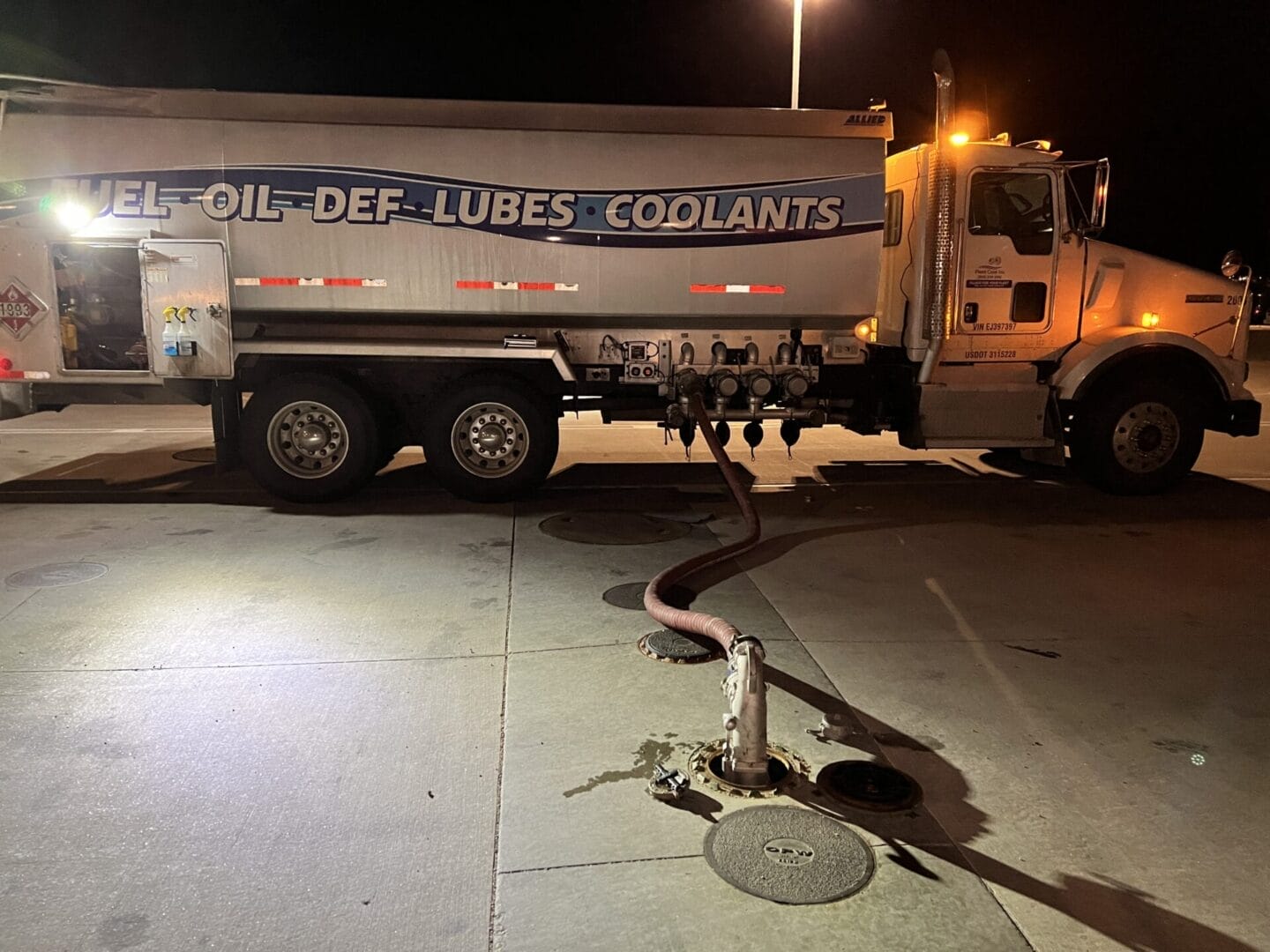
Helpful Tips for Making the Most Out of an Emergency Fuel Situation
When equipment runs dry on a job site or your fleet grinds to a halt, every minute counts. As the owner of Fleet Core Inc., I’ve taken hundreds of emergency fuel calls over the years, and I’ve learned that how you handle those critical first minutes can mean the difference between a quick resolution and costly downtime that stretches for hours.
Emergency diesel delivery doesn’t have to be chaotic. With the right information and a systematic approach, you can turn a potential disaster into a manageable situation. And oftentimes you discover it wasn’t quite the emergency you thought it was. Let me walk you through the smart way to order emergency fuel delivery.
Assess the Situation: Getting the Details Right
Before you pick up the phone, take five minutes to gather critical information. This preparation will save you far more time than it costs, and it ensures we can dispatch the right truck with the right product to the right location without delays or callbacks.
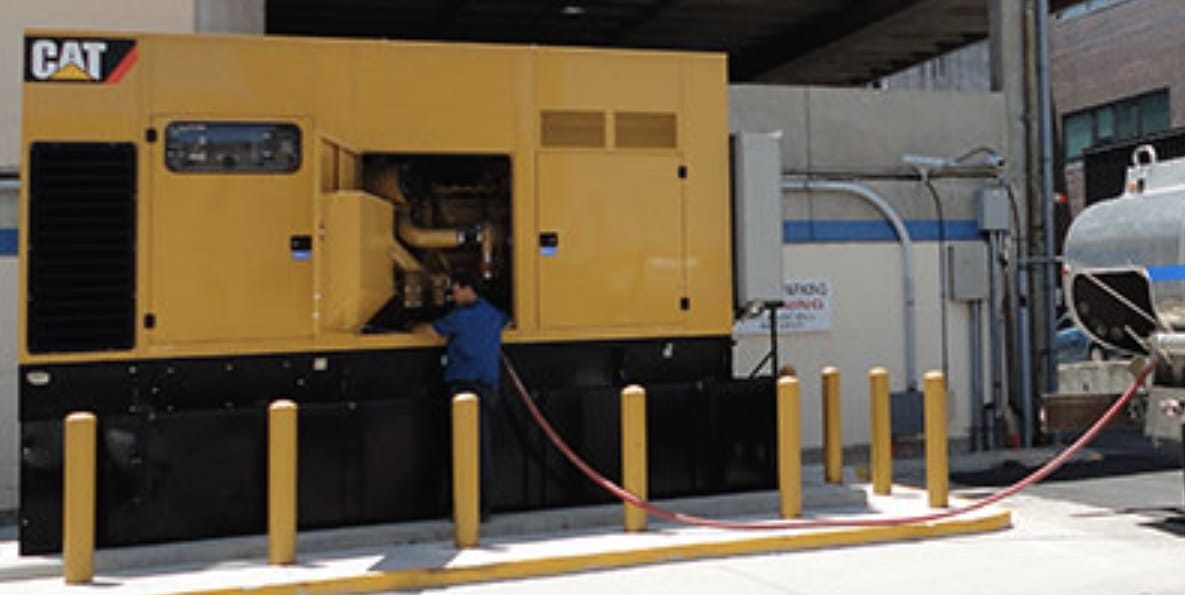

Identify the Correct Fuel Product
Off-road vs. on-road diesel matters more than you might think. Off-road diesel (red-dyed diesel) is tax-exempt fuel designated for construction equipment, generators, agricultural machinery, and other non-highway applications. On-road diesel (clear diesel) is taxed fuel required for vehicles operating on public roads.
Using the wrong product isn’t just an operational issue, it’s a compliance problem. DOT inspectors routinely check fuel tanks, and penalties for using dyed diesel in on-road vehicles are substantial. When you call for emergency delivery, be specific about which product you need. If you’re unsure, describe the equipment and we’ll help you determine the correct specification.
Calculate Your Fuel Requirements
How much fuel do you actually need? There’s a significant difference between “enough to get this excavator running again” and “enough to fill everything on site for the next three days.”
Consider both immediate needs and practical capacity:
- What’s the minimum amount to get critical equipment operational?
- What’s the maximum capacity of your tanks or equipment?
- Would it make sense to order extra to avoid another emergency call in 48 hours?
I’ve had customers order 100 gallons for immediate needs, only to call back two days later for another emergency delivery. A slightly larger initial order often eliminates the second emergency entirely, saving both delivery charges and operational stress.
Provide Precise Location Information
This is where many emergency orders get complicated. “We’re on the construction site off I-70” tells us almost nothing useful for a timely delivery.
For job sites and remote locations, provide:
- Exact street address if available
- Latitude and longitude coordinates (your smartphone’s maps app can provide these instantly)
- Nearest cross streets or landmarks
- Project name or site identifier if applicable
Describe site accessibility clearly:
- Gate codes or access protocols
- Contact person on-site with a working phone number
- Surface conditions (paved, gravel, mud, snow-covered)
- Overhead clearances and space constraints
- Distance from the gate to the equipment location
List every piece of equipment requiring fuel:
- Equipment type and identification (e.g., “CAT 320 excavator #4,” “Generator trailer near office”)
- Tank capacity for each piece
- Current fuel level if known
- Specific location of each unit on the site
Create simple, sequential delivery instructions:
Poor example: “Come in the north gate and find the excavator.”
Good example: “Enter through north gate using code 4721. Turn left at first junction, proceed 200 yards to equipment yard. Excavator #4 (yellow CAT 320) is parked facing east next to the material pile. Fill cap is on the right side. Generator trailer is 50 feet south of excavator, red Honda unit, fill cap on top.”
These details allow our driver to execute the delivery efficiently without multiple phone calls from the site trying to locate equipment.
Clearly Define Your Immediate Need
Over the years, we have handled all types of emergency deliveries. From catastrophic shutdowns to minor slow downs in production. Taking a moment to fully assess the situation and your need can make a BIG difference in getting your operation back on track and to your bottom line.
Ask yourself:
- When does this equipment absolutely need to be operational?
- What’s actually at risk if we can’t deliver for two, four, six, or twelve hours?
- Is this causing a full shutdown requiring emergency delivery or could this be handled with a scheduled delivery tomorrow morning instead?
Being honest about your timeline helps to understand prioritize appropriately. A concrete crew with forms setting in three hours needs different treatment than a backup generator that won’t be needed until tomorrow.
Maximize Your Emergency Delivery Value
Since you’re already paying an emergency delivery charge, consider what else you need now or will need within the next week or two. Our trucks can often carry multiple products, turning a single emergency call into a comprehensive fluid service delivery.
The delivery charge is already sunk cost, maximize its value by consolidating your fluid needs into a single comprehensive delivery.

Premium diesel fuel additives – Colorado’s altitude and temperature extremes can wreak havoc on fuel quality. Core Power premium fuel additives improve combustion efficiency, prevent gelling in cold weather, and protect fuel systems. If you’re ordering emergency fuel, you’re probably pushing equipment hard—protect your investment.
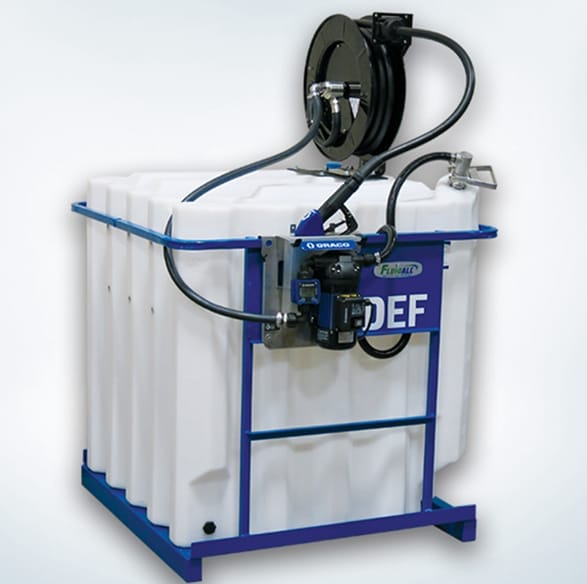
Diesel Exhaust Fluid (DEF) – Modern diesel equipment requires DEF for emissions compliance. Running out of DEF can shut down equipment just as effectively as running out of fuel. If you’re refueling newer equipment, check DEF levels at the same time.
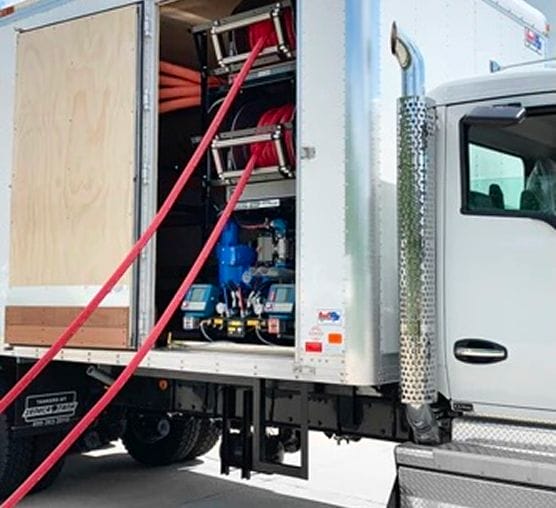
Bulk lubricants – Engine oil, hydraulic fluid, transmission fluid, and gear oil. If you’re running equipment hard enough to need emergency fuel, you’re also consuming lubricants. Stock up while our truck is already on-site.
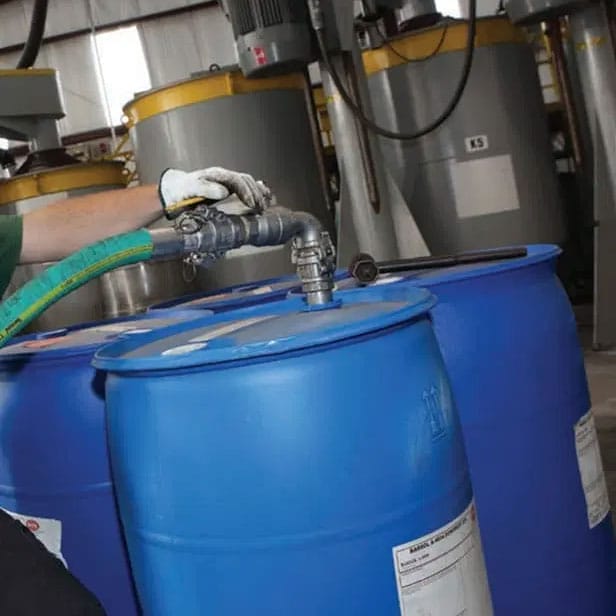
Windshield washer fluid – This seems minor until you’re trying to operate equipment with a mud-covered windshield. Colorado’s dusty conditions make washer fluid essential, and bulk delivery is far more economical than buying individual jugs.

Petro Buster petroleum cleaner – If you’re running equipment intensively, you’re likely dealing with fuel spills, oil leaks, and hydraulic fluid messes. Petro Buster is an industrial-strength cleaner that handles petroleum contamination while remaining environmentally responsible. Keep it on-hand for immediate spill response.
24/7 Emergency Diesel Delivery: Talk to a Real Person
Fleet Core monitors orders through our online system, but when you’re dealing with an emergency, you need to talk to a live human being who can think critically about your situation.
Pick up the phone and call us directly!
303-228-2162

Here’s why phone contact matters for emergency deliveries:
We can troubleshoot potential issues immediately. If your site has access challenges, we’ll identify them during the call rather than discovering them when our driver arrives. If you’re not sure about fuel specifications, we’ll clarify them in real-time. If your timeline is unrealistic, we’ll tell you honestly and help you develop alternatives.
We can provide accurate information about arrival times. Instead of submitting a form and waiting for confirmation, you’ll know immediately whether we can meet your needs and when to expect delivery.
We can optimize your order. During the conversation, we might identify additional products you need, suggest quantity adjustments based on your equipment list, or recommend scheduling approaches that save you money while still meeting your timeline.
We can coordinate complex deliveries. Multi-site deliveries, challenging access situations, or orders requiring special equipment need human coordination. A web form can’t manage that complexity effectively.
Most importantly: we want to talk to you. Emergency situations create stress, and having a knowledgeable person on the other end of the line who understands fuel delivery logistics in the Denver metro area provides peace of mind that an automated system simply can’t match.
When you call, have the information from your situation assessment ready. The five minutes you spent gathering details will make this conversation efficient and productive, getting fuel headed your way as quickly as possible.
Turning Emergency Delivery Into Scheduled Delivery
Here’s the question I ask every emergency customer: What caused this situation, and how do we prevent it from happening again?
Emergency delivery solves your immediate problem, but it’s expensive and stressful. Smart operators use that emergency as motivation to implement systems that prevent future crises.
Identify the Root Cause
Most fuel emergencies fall into a few common categories:
Inadequate monitoring – Nobody was tracking fuel levels, and equipment ran dry unexpectedly. This is the easiest problem to solve with scheduled monitoring and automated alerts.
Poor planning – Project demands increased but fuel ordering didn’t adjust accordingly. This requires better communication between operations and procurement.
Supply disruption – Your regular supplier couldn’t deliver on schedule, creating an unexpected shortfall. This suggests you need a more reliable partner or a backup supplier relationship.
Rapid deployment – Equipment was mobilized to a new site quickly without adequate fuel planning. This indicates a need for deployment checklists that include fuel logistics.
Seasonal demand spike – Cold weather, harvest season, or project deadlines created sudden increased consumption. This is predictable and should be planned for annually.
Implement Scheduled Delivery Programs
Fleet Core offers flexible scheduled delivery programs designed to eliminate fuel emergencies.
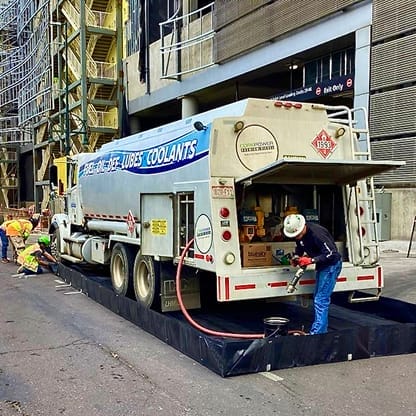
Consumption-based scheduling – We track your usage patterns and proactively schedule deliveries before you run low. This works particularly well for consistent operations like generators, facilities, or steady construction projects.
Calendar-based delivery – Weekly, bi-weekly, or monthly deliveries ensure you never run critically low. This provides budgeting predictability and operational reliability.
Threshold monitoring – For sites with fuel storage tanks, we can implement monitoring systems that automatically trigger delivery orders when levels drop below specified thresholds. You’ll never run out because the system manages replenishment automatically.
Seasonal adjustment programs – Your fuel consumption isn’t constant throughout the year. Scheduled delivery programs can increase frequency during high-demand seasons and reduce it during slower periods, optimizing both supply and cost.
Establish Fuel Storage Solutions
Many businesses that experience repeated fuel emergencies simply don’t have adequate on-site storage. If you’re ordering emergency delivery more than once or twice per year, investing in proper fuel storage probably makes economic sense.
Consider:
- Appropriate storage tank capacity for your typical consumption cycle
- Fuel quality management systems to prevent contamination
- Regular fuel testing and maintenance to ensure reliability
- Compliance with storage regulations and environmental requirements
Proper storage transforms fuel management from a constant crisis into a routine operational element. The upfront investment typically pays for itself within a year through eliminated emergency charges and reduced downtime.
Build a Partnership, Not Just a Vendor Relationship
The difference between a fuel vendor and a fuel partner is proactive communication. We succeed when you succeed, which means we’re invested in preventing your emergencies, not profiting from them.
A true partnership includes:
- Regular communication about your changing operational needs
- Proactive recommendations based on our experience with similar operations
- Flexible response when your situation genuinely requires it
- Honest feedback when you’re approaching problems we can see coming
When you establish a relationship with Fleet Core, we learn your operations, understand your equipment, and recognize your consumption patterns. That knowledge allows us to anticipate needs before they become emergencies.

The Bottom Line on Emergency Diesel Delivery
Smart emergency fuel ordering starts with thorough situation assessment, continues with clear communication, and ends with systems that prevent future emergencies. The goal isn’t to handle emergencies better. It’s to eliminate them almost entirely through proper planning and reliable partnerships.
When you do need emergency delivery, the five-minute investment in gathering detailed information and having a direct phone conversation will save you hours of potential confusion and delay. And when the immediate crisis is resolved, use that experience as motivation to implement the scheduled delivery systems that prevent it from happening again.
At Fleet Core Inc., we’re available 24/7 for genuine emergencies throughout the Denver metro area, including Commerce City and Lakewood. We’d rather be your scheduled delivery partner than your emergency responder, but when you need us, we’ll be there with the right product, delivered to the right location, on your timeline.
Because the smartest approach to emergency fuel delivery is eventually not needing it at all.
Need emergency diesel delivery right now? Call Fleet Core Inc. directly at 303-338-2162. We’re standing by 24/7 to help you assess your situation and dispatch fuel to your location quickly and efficiently.
Ready to eliminate fuel emergencies? Contact us to discuss scheduled delivery programs, fuel storage solutions, and partnership approaches that keep your equipment running without the crisis management.